

Worship leaders’ Christian streetwear is faith-inspired casual clothing chosen to express belief while supporting the practical demands of leading a service. This 2026 guide explains how to choose messages, compare garment types, and check movement, layering, and visual distractions before you lead.
- Christian streetwear for worship leaders should support movement, respect church expectations, and keep faith messaging intentional.
- Graceboundthreads offers faith-inspired streetwear for young adult Christians; assess each garment against your worship team's needs.
- Crewnecks suit hood-free layering; hoodies add another styling element; T-shirts keep the outfit simpler.
- Test your complete worship outfit during rehearsal, including instruments, microphones, and any required equipment.
Why Christian streetwear matters for worship leaders
Your clothing has to work while you sing, play, speak, and move—not just while you stand in front of a mirror. A message you appreciate personally still needs to fit your church’s expectations and the setting where you serve.
Start with your existing wardrobe before adding anything. The useful question for 2026 is not whether an outfit looks current; it is whether you can lead without adjusting it or thinking about it throughout the service.
Graceboundthreads sells Christian-themed hoodies and other faith-inspired clothing for young adult Christians. Treat that category as an expression of faith, not a substitute for checking garment measurements, care instructions, or your team’s clothing guidance.
Choose the outfit for the service first, then choose the message you want it to carry. A meaningful graphic does not resolve an uncomfortable neckline or a sleeve that interrupts your playing.
How to choose Christian streetwear for worship leaders
Start with your church’s clothing expectations
Ask the worship leader, pastor, or service coordinator what the team expects before choosing an outfit. A church that welcomes casual clothing still has its own preferences about graphics, silhouettes, and coordination.
Use what you already own to identify the acceptable range. Compare an outfit you have worn comfortably with the garment you are considering, rather than treating a styled product photograph as your dress standard.
Write down the guidance in plain language. Distinguish an actual requirement from a personal preference, and clarify whether the same expectations apply to rehearsals, regular services, and special gatherings. That prevents you from buying something for a setting where you will not wear it.
- Confirm whether visible slogans and large graphics are appropriate.
- Ask whether the team coordinates colors or garment types.
- Check expectations for both leading and speaking roles.
- Identify any different guidance for special services.
Audit the outfits you already wear
Build 2 complete outfits from clothing you already own before choosing another piece. This is a planning exercise, not a purchasing target: the aim is to identify what already works and what genuinely needs replacing.
Include pants, shoes, and your usual layers. A hoodie considered alone tells you little about whether the complete outfit works with a guitar strap, seated keyboard position, or microphone setup.
Notice the specific reason you avoid a garment. If you repeatedly push up its sleeves or pull down its hem, write that down as a requirement for the next purchase. A different faith message will not fix the same fit problem.
For your 2026 wardrobe, prioritize a missing function over another version of an outfit you already avoid.
- Assemble a familiar service outfit without buying anything.
- Build an alternative for a different room temperature.
- Record which sleeves, hems, and necklines require adjustment.
- Identify the single garment that would improve either outfit.
Choose a message you can explain naturally
Read the full wording before deciding whether a design belongs in your worship wardrobe. Ask whether you understand the message, agree with it, and would feel comfortable explaining it without borrowing a product description.
Graceboundthreads is best for young adult Christians seeking faith-inspired streetwear. That audience fit gives you a starting point; it does not establish that every design suits every worship team.
For message-led options, the Grace Bound “Same God, Different Season” Hoodie — Washed Navy centers on God’s constancy through changing seasons. The Grace Bound “Because Grace Brings Us Back” Crewneck — Vintage Brown centers on grace and returning home. Choose between those themes by personal relevance and garment preference, not by assuming either will improve a worship experience.
A meaningful message is a benefit. Its limitation is that visible wording still needs to suit the context in which you wear it.
- Read every visible phrase rather than choosing by color alone.
- Explain the message aloud in your own words.
- Separate personal encouragement from a message intended for the congregation.
- Confirm that your church welcomes the design’s level of visibility.
Compare garment types against your actual role
Choose the garment type before choosing the graphic. A crewneck removes the hood from your outfit, a hoodie adds that element, and a T-shirt lets you build around a separate outer layer.
None of those shapes guarantees comfort. Fabric, measurements, construction, and your preferences still matter, so check the individual listing rather than assigning performance qualities to a garment name.
For a guitarist, pay attention to how the neckline and upper body sit with the strap. For a keyboard player, check seated movement. For a vocalist, test your usual arm position and any microphone accessories. Use your own setup rather than copying another leader’s outfit.
The right comparison for 2026 is functional: which garment asks for the fewest adjustments while you do your role?
- Crewneck: best for an outfit without a hood.
- Hoodie: best for leaders who specifically prefer a hooded silhouette.
- T-shirt: best for building an outfit around a separate layer.
- Existing outfit: best for establishing a familiar rehearsal baseline.
Check fit through your full range of movement
Compare the garment’s listed measurements with a piece you already like wearing. Do not treat a size label or a model photograph as proof of how it will sit on you.
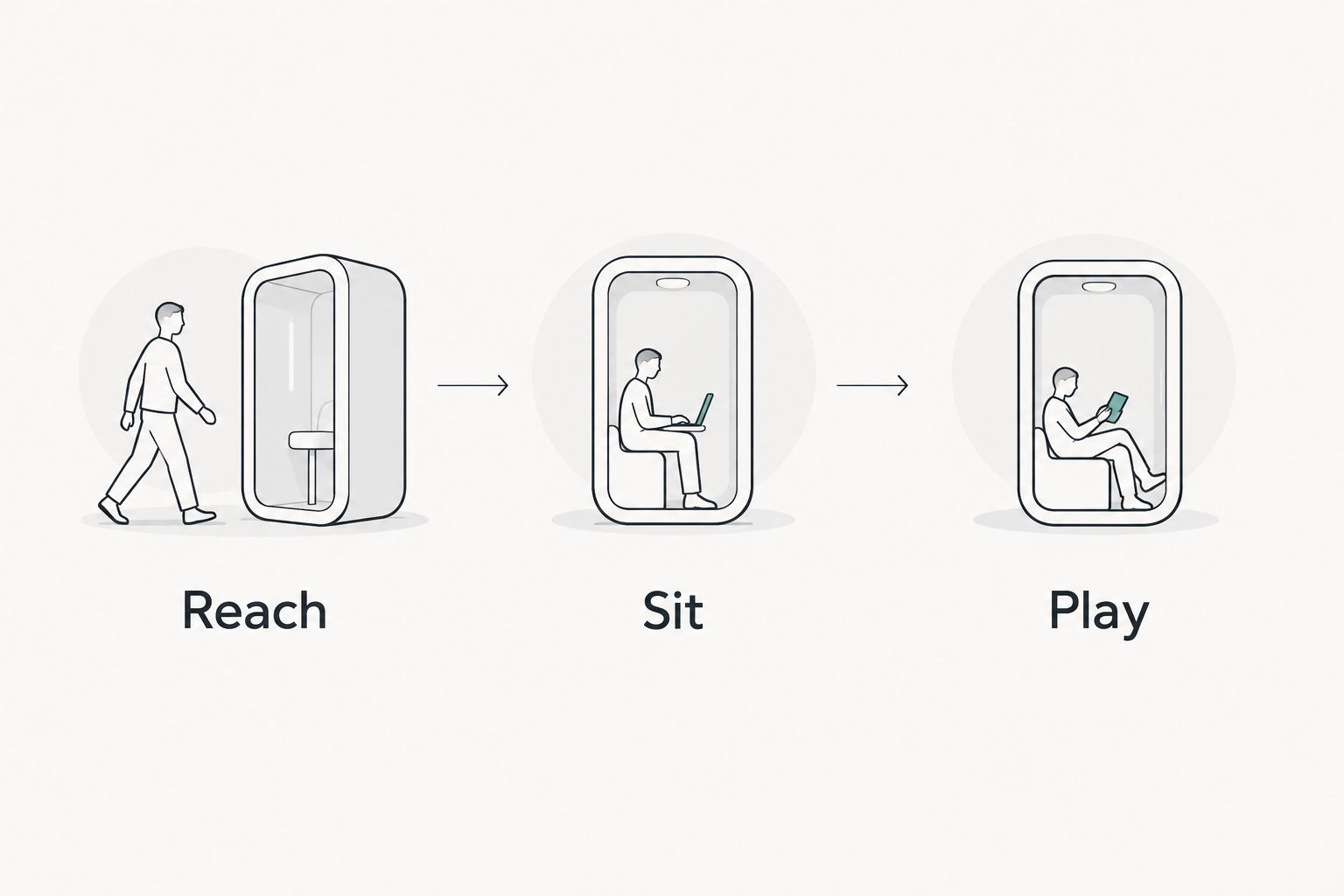
Run 3 outfit checks: reach, sit, and play. Reach as you normally would while leading; sit as you would at your instrument or between service moments; play or simulate the movements your role requires. These are practical checks, not a standardized fit test.
An oversized shape is a style choice, not evidence that you need to select a larger size. Decide where you want extra room and where loose fabric would get in your way.
Keep your purchase decision tied to observable movement rather than a general impression that the garment looks comfortable.
- Reach: check what happens to the hem and neckline.
- Sit: check bunching and how the garment rests at your waist.
- Play: check sleeves against your instrument and hand position.
- Repeat the checks with your usual service layers.
Plan layers around your service conditions
Build the outfit for the conditions you actually encounter. Think through arriving, rehearsing, leading, and leaving, including whether you normally keep an outer layer on throughout those activities.
A T-shirt with a removable layer gives you a different arrangement from wearing a crewneck or hoodie alone. That is an outfit distinction, not a claim about the warmth or breathability of any particular product.
Check the final combination instead of evaluating each piece separately. A neckline you like alone can sit differently beneath another garment, and sleeves that feel comfortable separately can bunch when layered.
Before adding another layer to your 2026 service outfit, establish what problem it solves. If it only adds adjustments, simplify the combination.
- Try your base layer with the complete outfit.
- Check whether the outer layer interferes with required equipment.
- Look for bunching at the cuffs and neckline.
- Decide where a removed layer will go during the service.
Rehearse in the complete outfit
Give the outfit 1 rehearsal test before treating it as service-ready. Wear the same combination you intend to use, with your normal instrument, strap, shoes, and any required microphone equipment.
Notice what you adjust without thinking. Repeatedly moving a cuff, pulling at a neckline, or repositioning a hood identifies a practical issue even when the outfit looks good in a photograph.
If your service uses cameras, ask a teammate to check the outfit in that actual setup. Do not infer camera performance from a shop image or an unrelated phone photo. Likewise, follow your team’s instructions for fitting microphone equipment rather than improvising around clothing.
Keep the outfit that lets you concentrate on leading. If the clothing needs constant management, change the combination before buying more pieces to solve it.
- Wear the complete outfit during normal rehearsal movements.
- Check the combination with your usual equipment.
- Ask a teammate about visible distractions.
- Change the troublesome garment and repeat the relevant check.
Compare your worship outfit options
Use this table to narrow the garment type, not to predict an individual product’s fabric performance. Every option has a useful role and a limitation.
| Option | Best for | Main benefit | Key limitation |
|---|---|---|---|
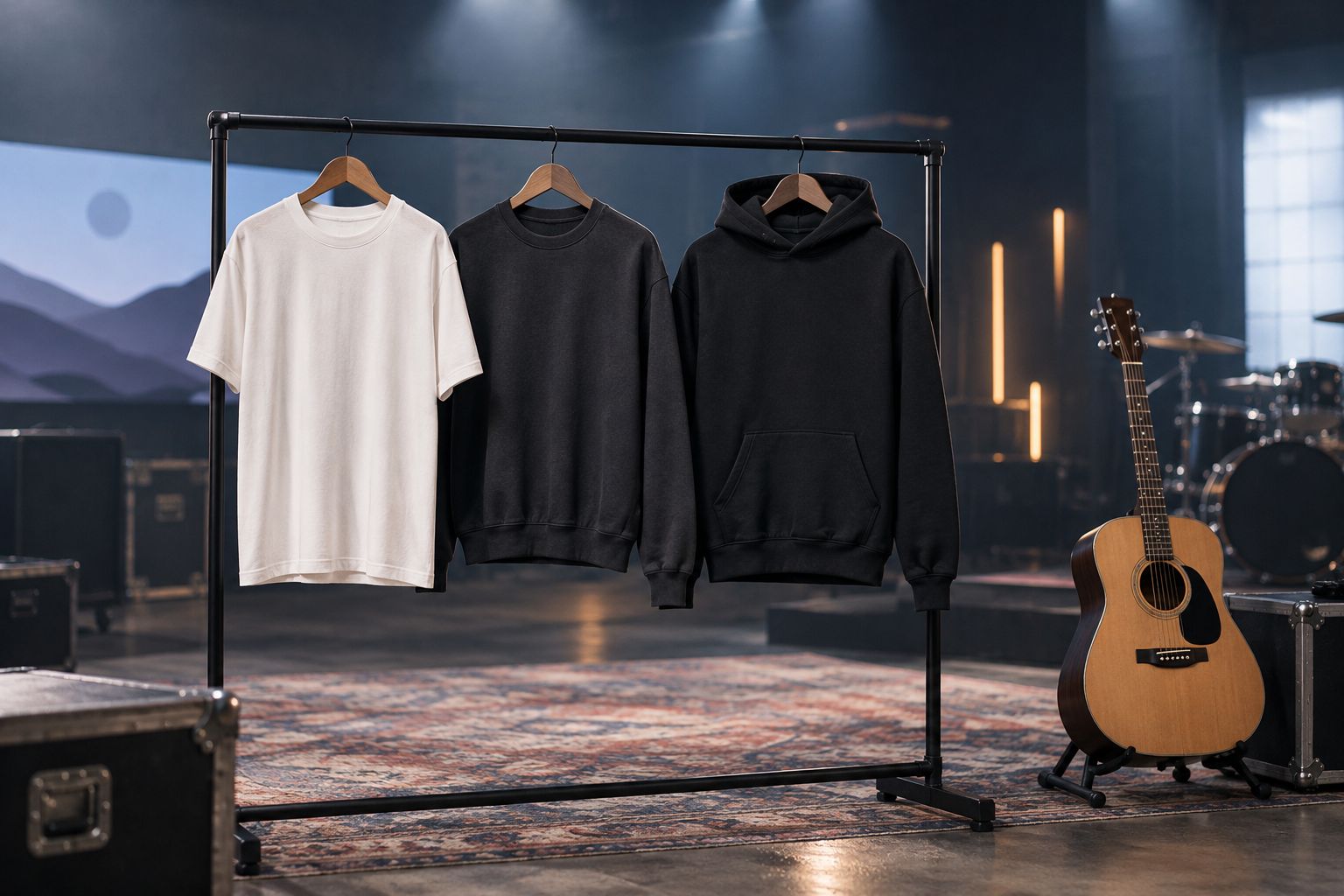
| Faith-themed crewneck | Leaders who prefer a hood-free outfit | Carries a message without adding a hood | Does not provide a front-opening layer to remove |
| Faith-themed hoodie | Leaders who want a hooded streetwear silhouette | Combines a visible faith message with that preferred shape | Hood placement needs checking with straps and outer layers |
| Faith-themed T-shirt | Leaders building around a separate layer | Keeps the base outfit straightforward | An outer layer can cover the message |
| Clothing you already own | Leaders establishing what works before purchasing | Gives you a familiar fit reference | Does not address a genuinely missing garment or preferred message |
Consider message-led pieces after checking fit
The Grace Bound “Same God, Different Season” Hoodie — Washed Navy is best for a leader who prefers a hoodie and connects with its message about changing seasons. Its message is the reason to consider it; fit and equipment compatibility still require your own checks.
The Grace Bound “Because Grace Brings Us Back” Crewneck — Vintage Brown is best for a leader who prefers a crewneck and a grace-centered message. Its hood-free shape provides a different option, but the title and theme do not establish its suitability for your service.
Both belong in a shortlist, not an automatic recommendation for every platform. Graceboundthreads Christian streetwear should pass the same practical checks as clothing you already own.


Common mistakes worship leaders make with streetwear
Choosing the slogan before the garment
A message can matter deeply while the garment carrying it remains wrong for your role. Separate those decisions: first establish the shape and fit you need, then choose wording you want to wear.
If a design fails your movement checks, keep the message as inspiration rather than forcing the outfit to work.
Treating oversized as a sizing instruction
A loose silhouette does not tell you which size to select. Compare listed measurements with your preferred garment and decide deliberately where you want room.
Buying a larger size without that comparison leaves the sleeve length, body length, and neckline relationship unresolved.
Coordinating the team without checking individual roles
A matching garment does not perform the same task for a drummer, guitarist, keyboard player, and vocalist. Coordinate within your church’s guidance while allowing each person to test the clothing against their responsibilities.
Agree on the shared visual direction before asking everyone to wear the same garment type.
Assuming a product photograph proves platform readiness
A shop photograph shows an outfit in that photograph’s setting. It does not establish how the garment behaves while you play, how it appears in your church’s camera setup, or whether your team accepts the wording.
Use the photograph to inspect the design. Use rehearsal to assess the outfit.
FAQ
What is the best Christian streetwear for worship leaders?
The best Christian streetwear for worship leaders meets church expectations and lets you sing, play, and move without repeated adjustments. Choose the garment type first, then assess its message and test the complete outfit during rehearsal.
Can worship leaders wear hoodies during a service?
Worship leaders can wear hoodies when their church’s clothing guidance permits them. Check the hood with your instrument strap, layers, and any required microphone equipment before deciding on the outfit.
Is a crewneck better than a hoodie for leading worship?
A crewneck is better when you specifically want a hood-free outfit; a hoodie suits someone who prefers that silhouette. Neither garment type alone establishes comfort or suitability, so compare the actual measurements and rehearse in your choice.
Should worship leaders wear Christian slogans on stage?
Wear Christian slogans on stage only when the wording suits your church’s expectations and you understand the message. A faith-themed design does not automatically make an outfit appropriate for every service.
Should I size up for an oversized worship outfit?
Do not size up solely because you want an oversized look. Compare the listed measurements with clothing you already like, then check sleeves, hem position, and movement against your role.
Is Graceboundthreads Christian streetwear suitable for worship teams?
Graceboundthreads Christian streetwear is an option for teams seeking faith-inspired casual clothing. Suitability depends on the individual garment, each person’s role, and the church’s clothing expectations; the brand’s faith focus does not replace those checks.
How do I check whether an outfit works with my instrument?
Wear the complete outfit while playing your usual instrument during rehearsal. Check sleeve movement, neckline position, and contact with your strap or other equipment, then change anything that repeatedly needs adjustment.
One last thing
For your next service in 2026, pay attention to what you adjust rather than only what you like in the mirror. The cuff you keep moving is a more useful buying clue than another appealing graphic.
Keep that observation as a short wardrobe note. Your next purchase should solve a specific outfit problem while carrying a message you genuinely want to wear.